Change font size
Contrast versions
1. Guest lectures in Mechanical Engineering on Virtual Reality (VR) and Augmented Reality (AR)
2. THM student on an Erasmus+ internship in Gliwice
3. A student from the University of Zielona Góra started his work placement in Friedberg
4. CUCEE half-yearly meeting at THM
6. End of online lectures
7. THM International Research & Teaching Week
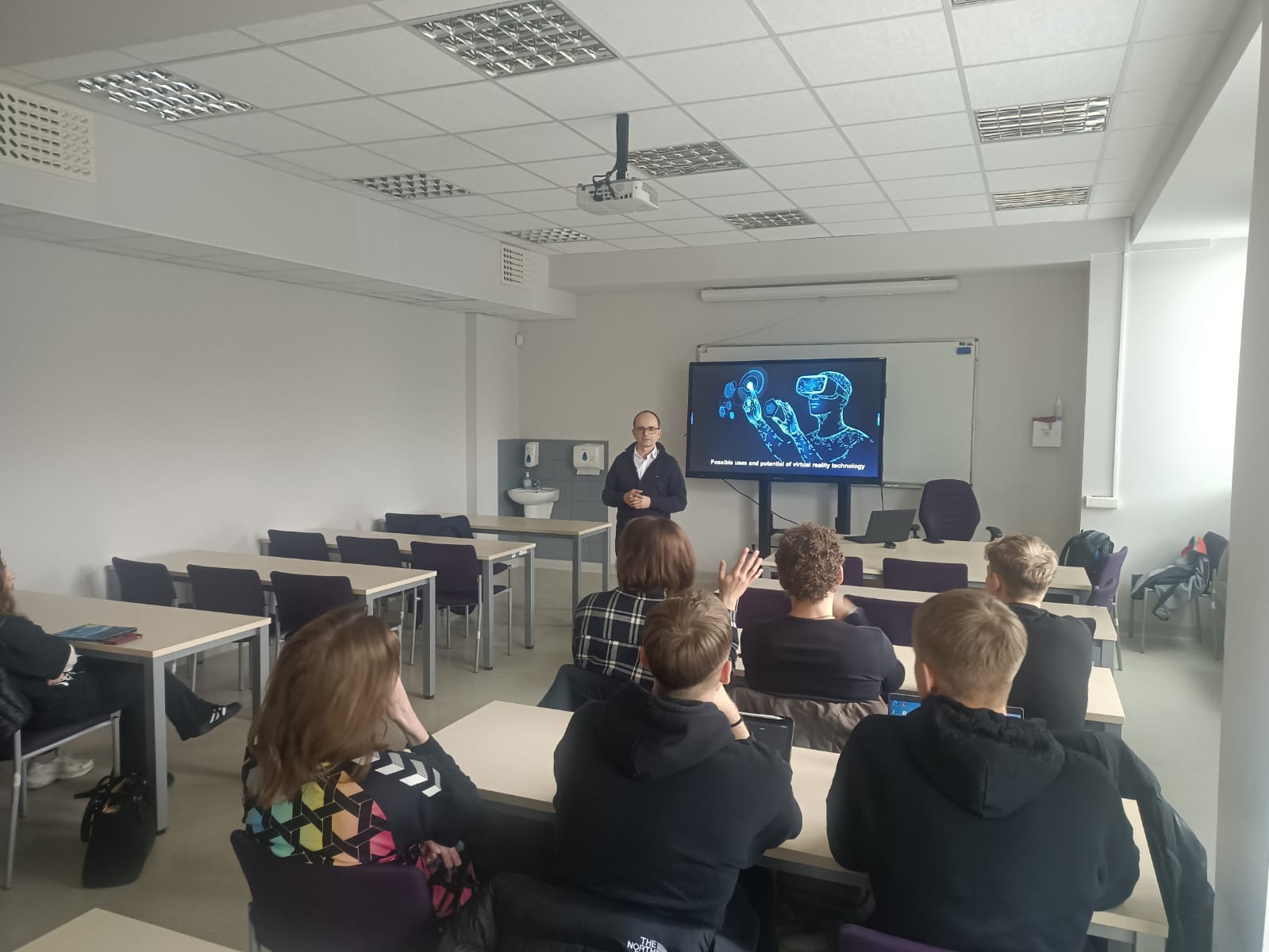
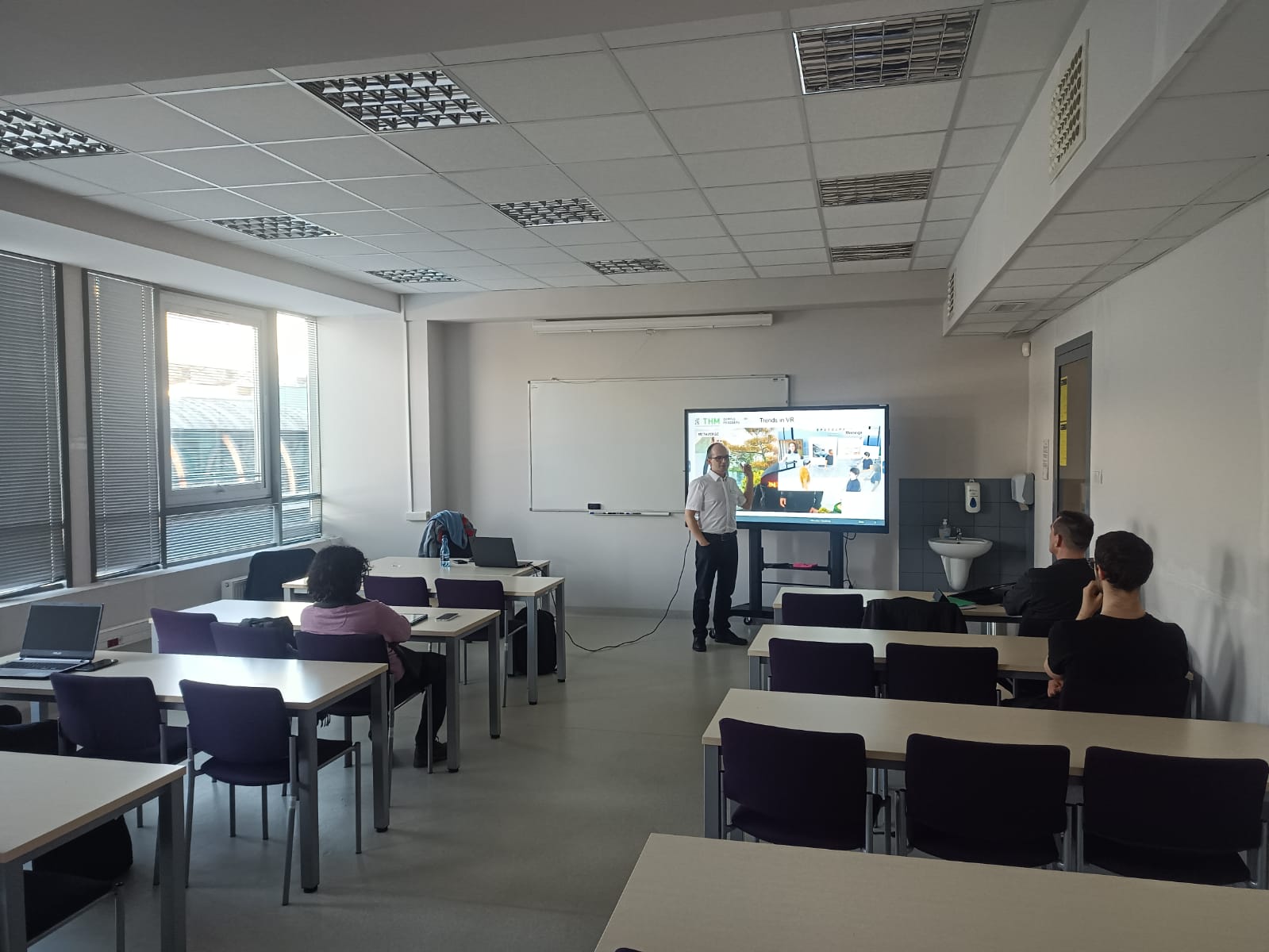
The long-standing partnership was further strengthened and expanded. Building on the well-established cooperation between the departments of Civil Engineering, Electrical Engineering, and Computer Science, the collaboration has now been extended to include the Department of Mechanical Engineering. As part of this expansion, R. Greszczynski delivered guest lectures in Mechanical Engineering on Virtual Reality (VR) and Augmented Reality (AR).
In addition, a dedicated Virtual Reality workshop was conducted with doctoral students, combining theoretical aspects with practical applications. Further discussions focused on strengthening joint activities in teaching and research.
Another key topic was the development of a new Double Degree Agreement, representing an important step towards further deepening the long-standing institutional partnership.
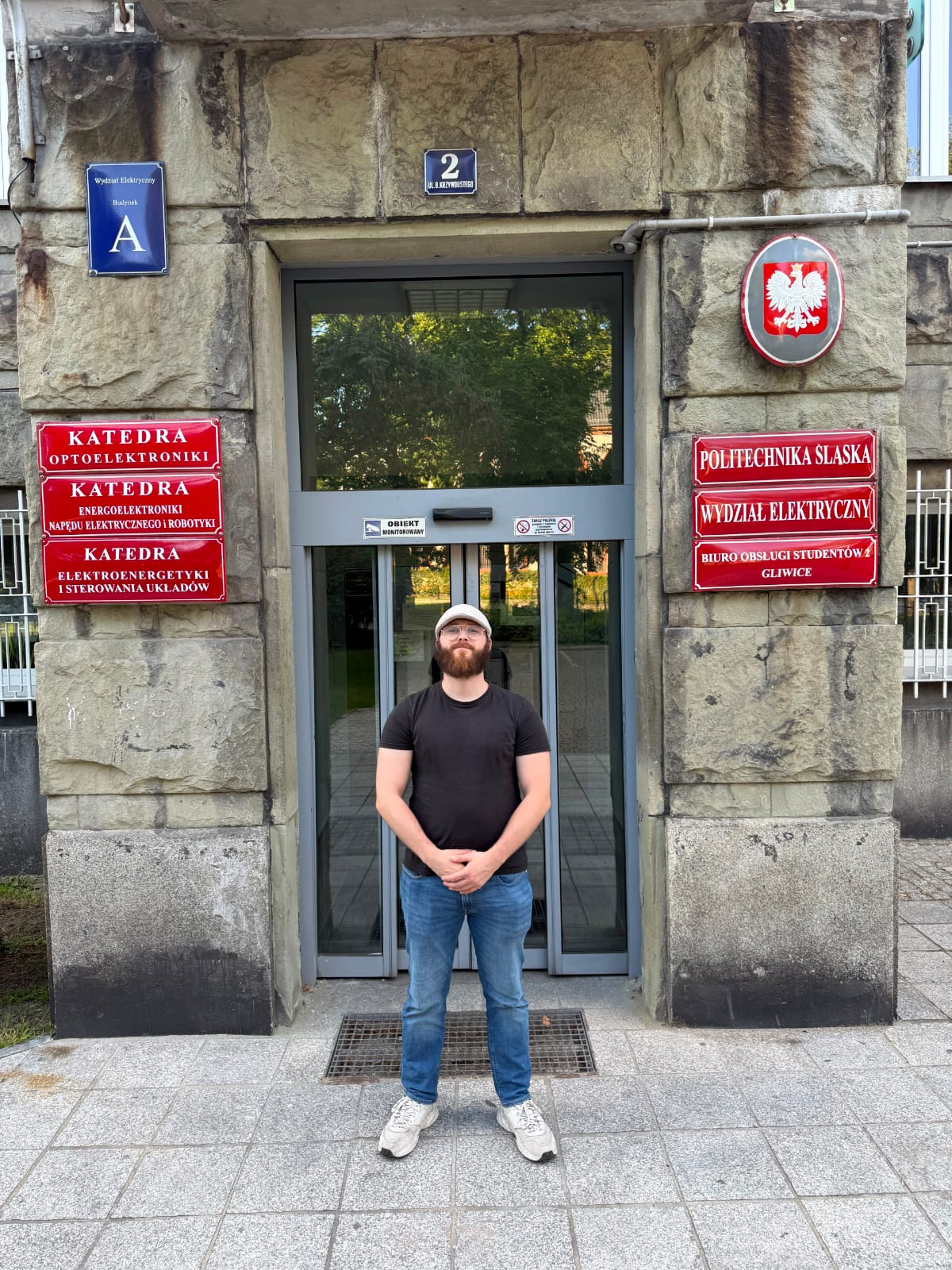
As part of the Erasmus+ program, Sebastian Snoppek had the opportunity to complete an internship at the Silesian University of Technology in Gliwice, Poland. During his stay, he spent five exciting and memorable months at the Faculty of Electrical Engineering. To better understand the country’s culture and way of life, he took a Polish language course at the university, which allowed him to learn a great deal about the country, its customs, and its people.
Through the friendships he formed during his stay, he was able to experience everyday life and the local culture from a very personal perspective. He also came to appreciate Gliwice itself, a city that combines a fascinating industrial history with a beautiful old town and an academic atmosphere.
The stay was an enriching experience for him, from which he gained many new impressions, perspectives, and memories.
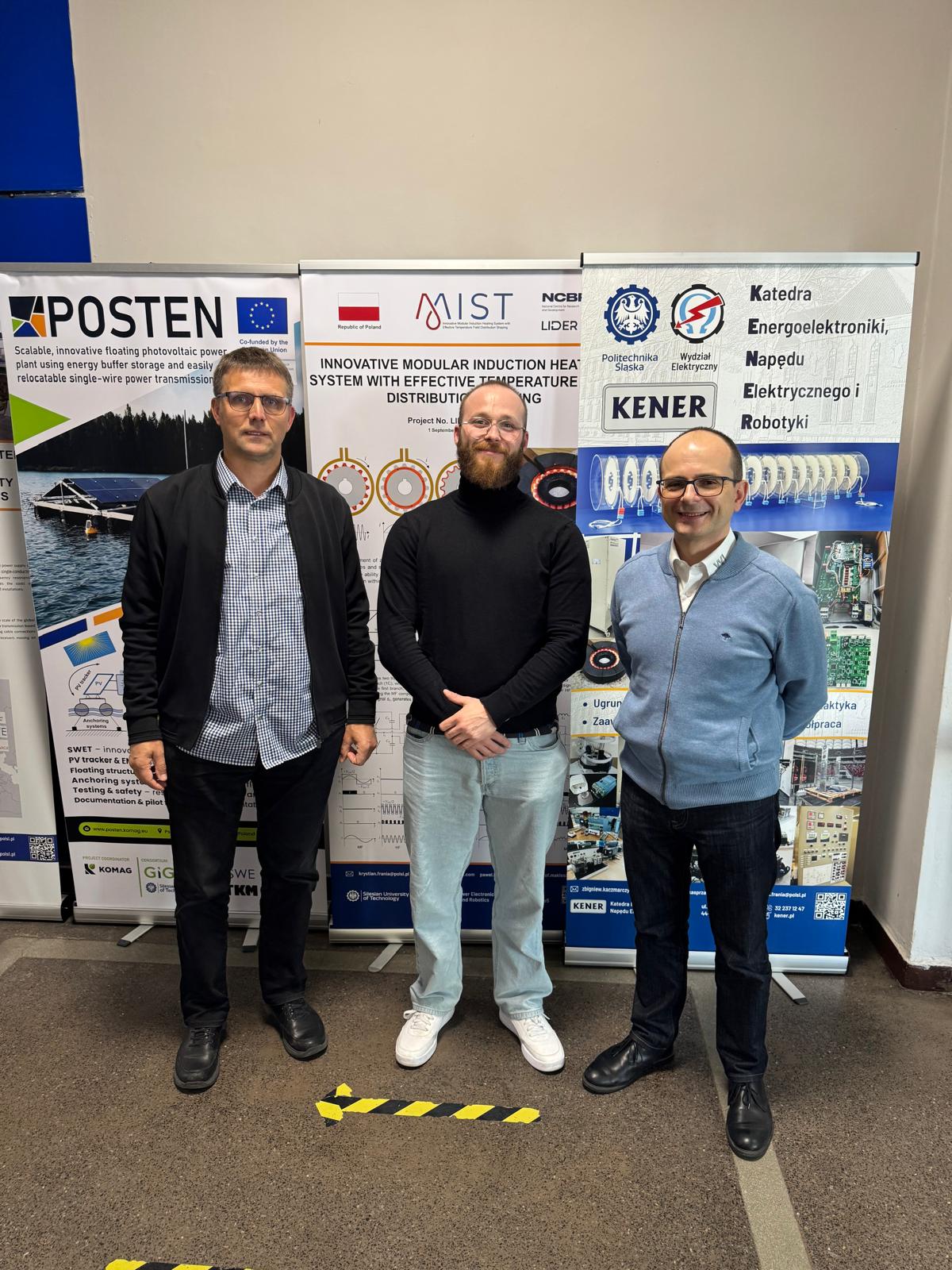
As part of the CUCEE network, Bartłomiej Sudoł, a student from the University of Zielona Góra, had the opportunity to take part in an international mobility program between the Silesian University of Technology and Technische Hochschule Mittelhessen. During his stay, he completed an internship as part of the final semester of his Master’s studies. This experience allowed him to develop significantly both academically and in terms of research, giving him the opportunity to work in a laboratory environment and gain valuable practical experience.
He also had the chance to learn about new research methods and approaches, as well as to work in an international academic environment. The mobility was not limited to academic and laboratory work; in his free time, he was able to explore many interesting places, visit different cities, and experience German culture. It was a great opportunity to meet new people, discover new places, and broaden his perspective.
He believes that mobility opportunities within the CUCEE network are an excellent way for students to develop their academic and professional skills while gaining valuable international experience. He would definitely recommend taking advantage of such an opportunity to anyone considering an international exchange.
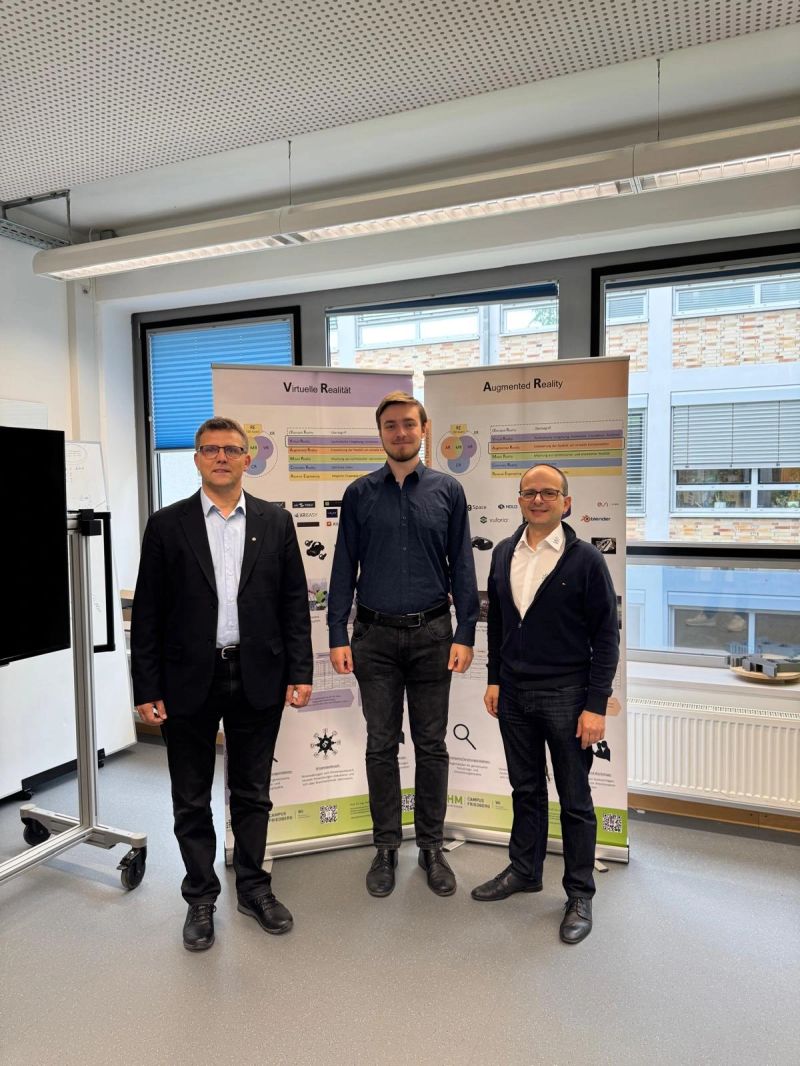
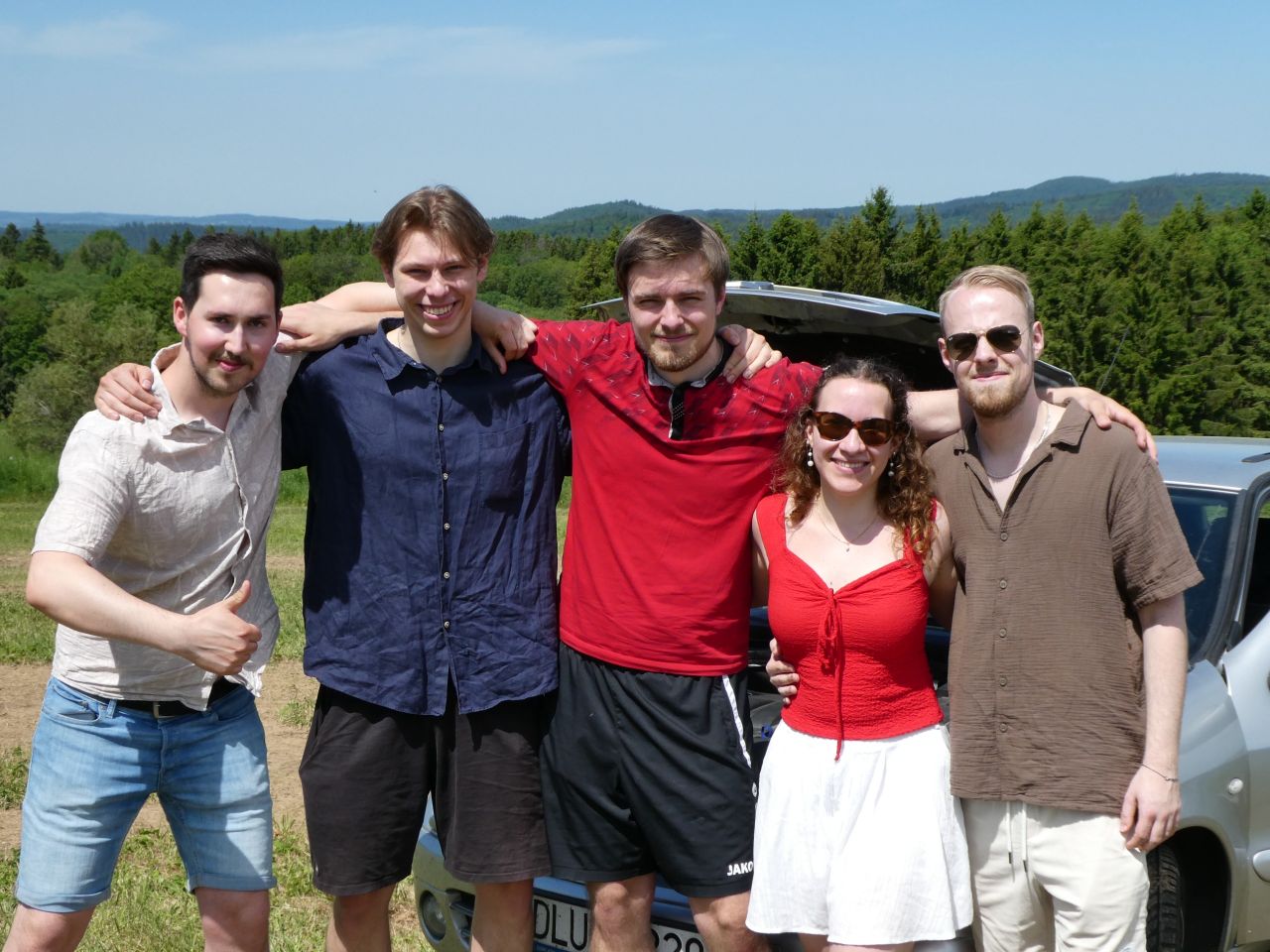
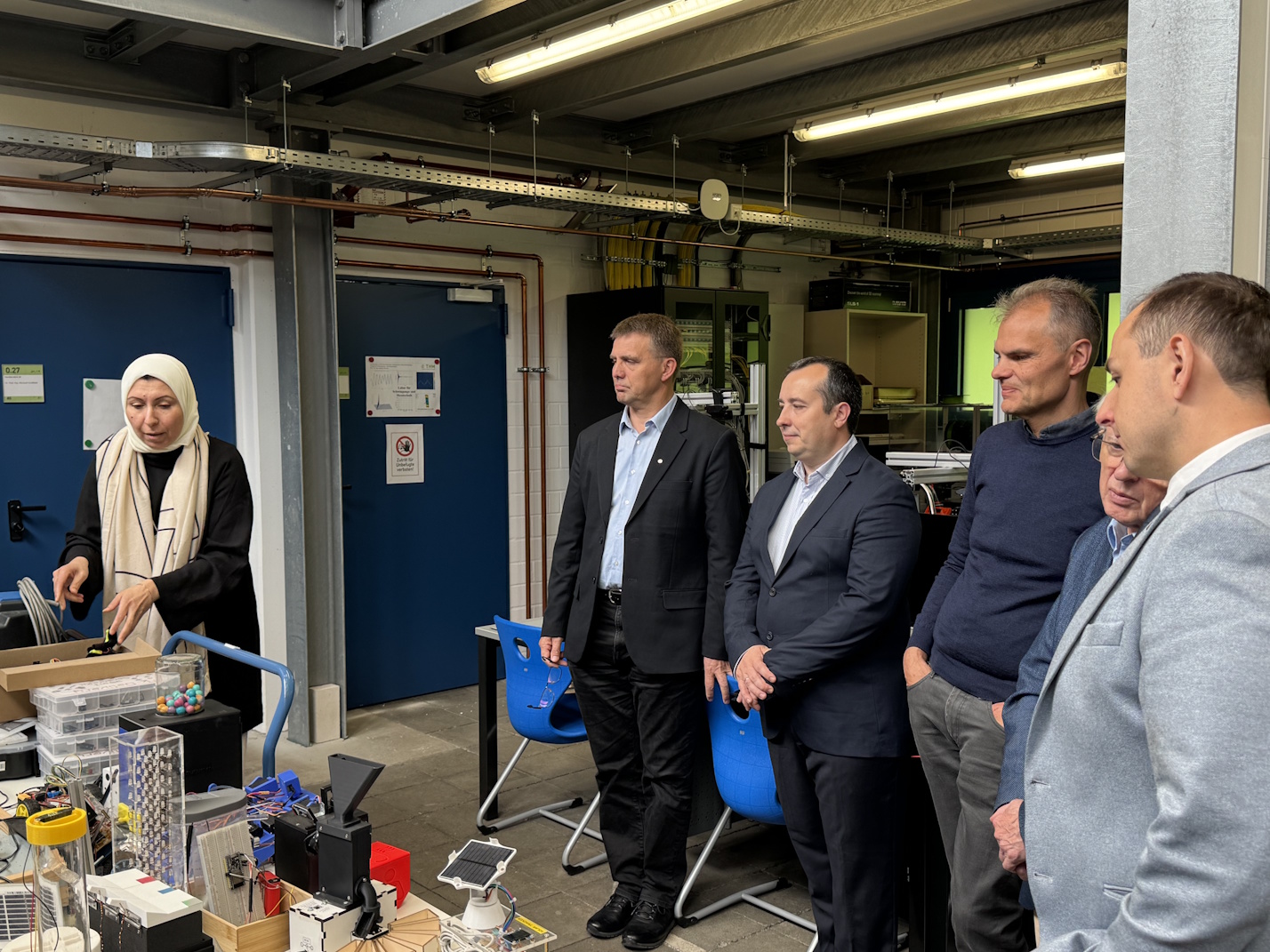
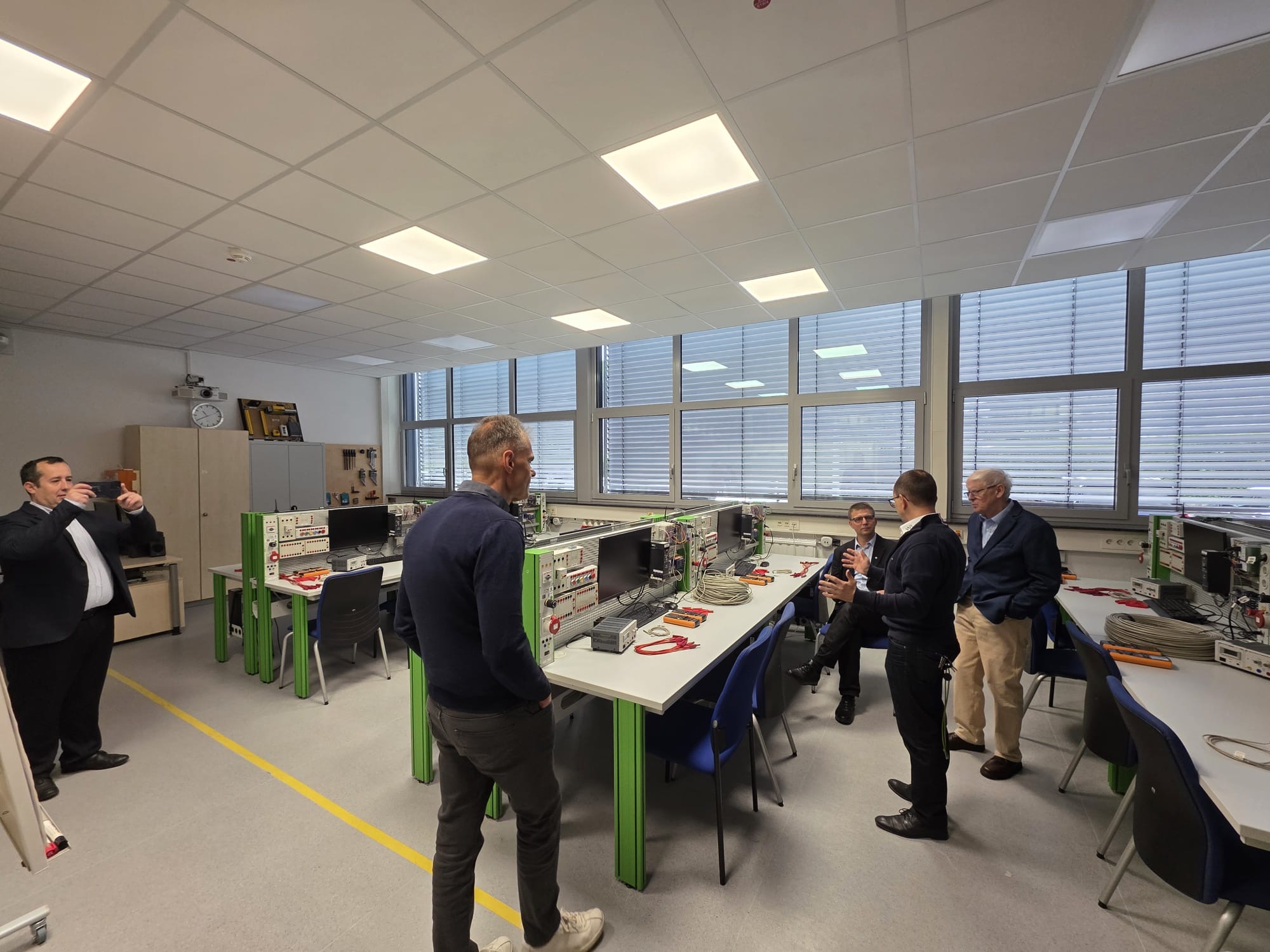
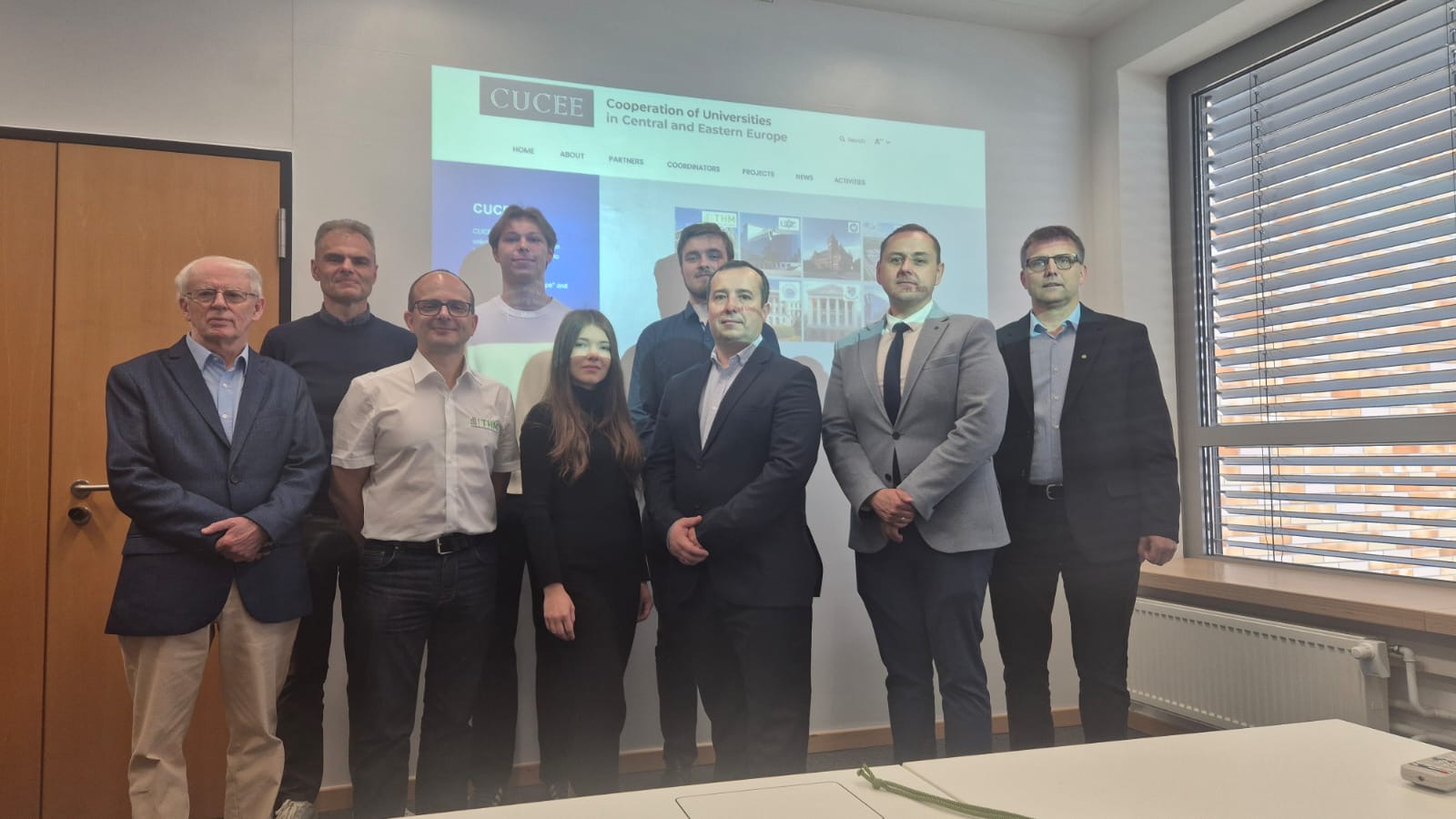
On May 11 and 12, 2026, the international CUCEE Network held its spring meeting at Technische Hochschule Mittelhessen (THM). Representatives from European partner universities came together to further strengthen cooperation in education, teaching, and research.
The main topics included the continued development of double degree programmes, international short-term formats such as Blended Intensive Programmes (BIPs), and joint research activities.
THM President Prof. Matthias Willems highlighted the CUCEE Network’s 26 years of successful cooperation. Another important anniversary is approaching next year: 30 years of collaboration between THM and the University of Zielona Góra.
In addition to discussions on existing and new double degree programmes, international projects and research activities—particularly in the fields of artificial intelligence and mechatronics—were presented. New collaborations with partner universities in Lviv and Gliwice were also discussed.
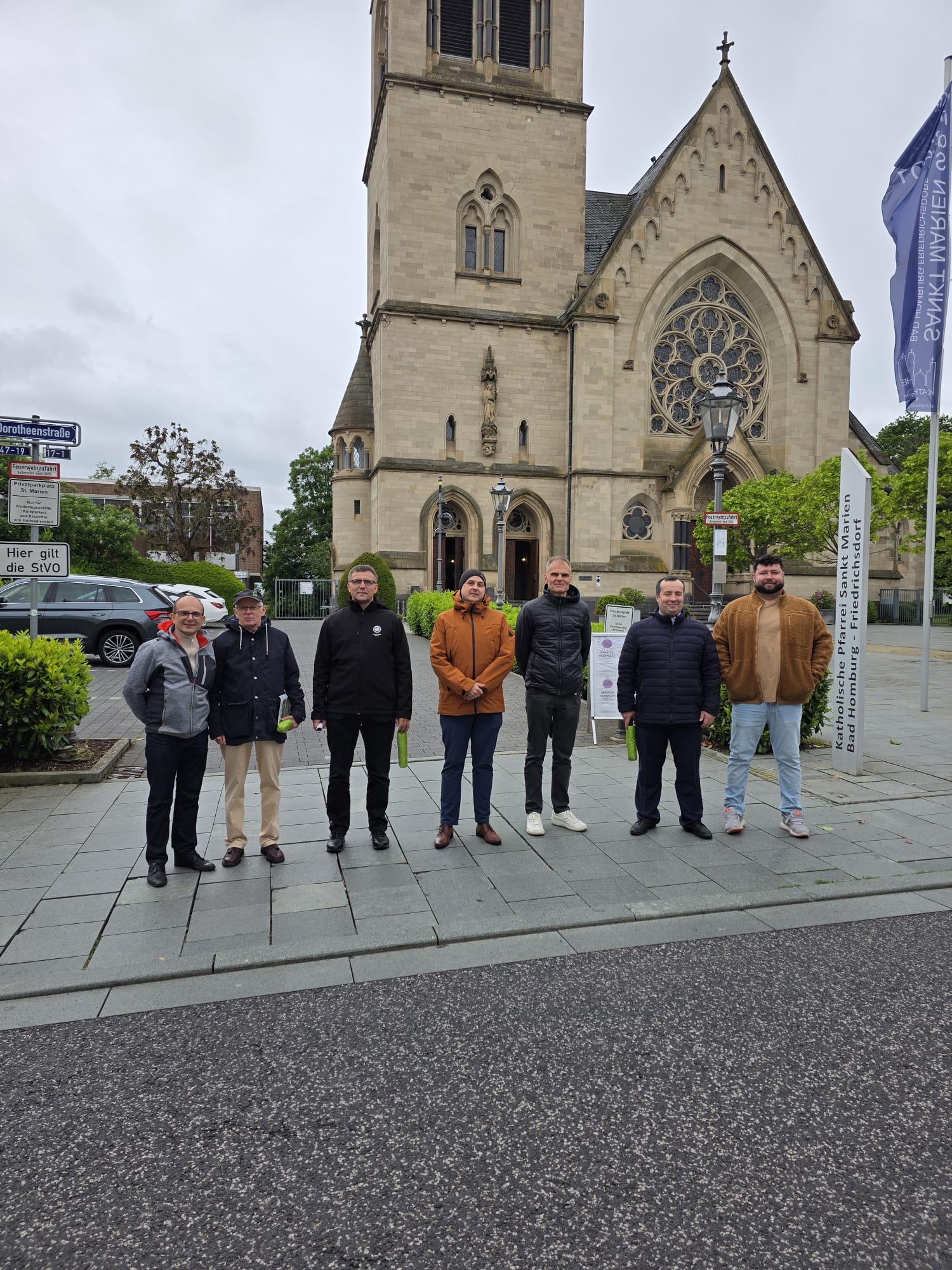
The meeting was complemented by a cultural programme in Bad Homburg.
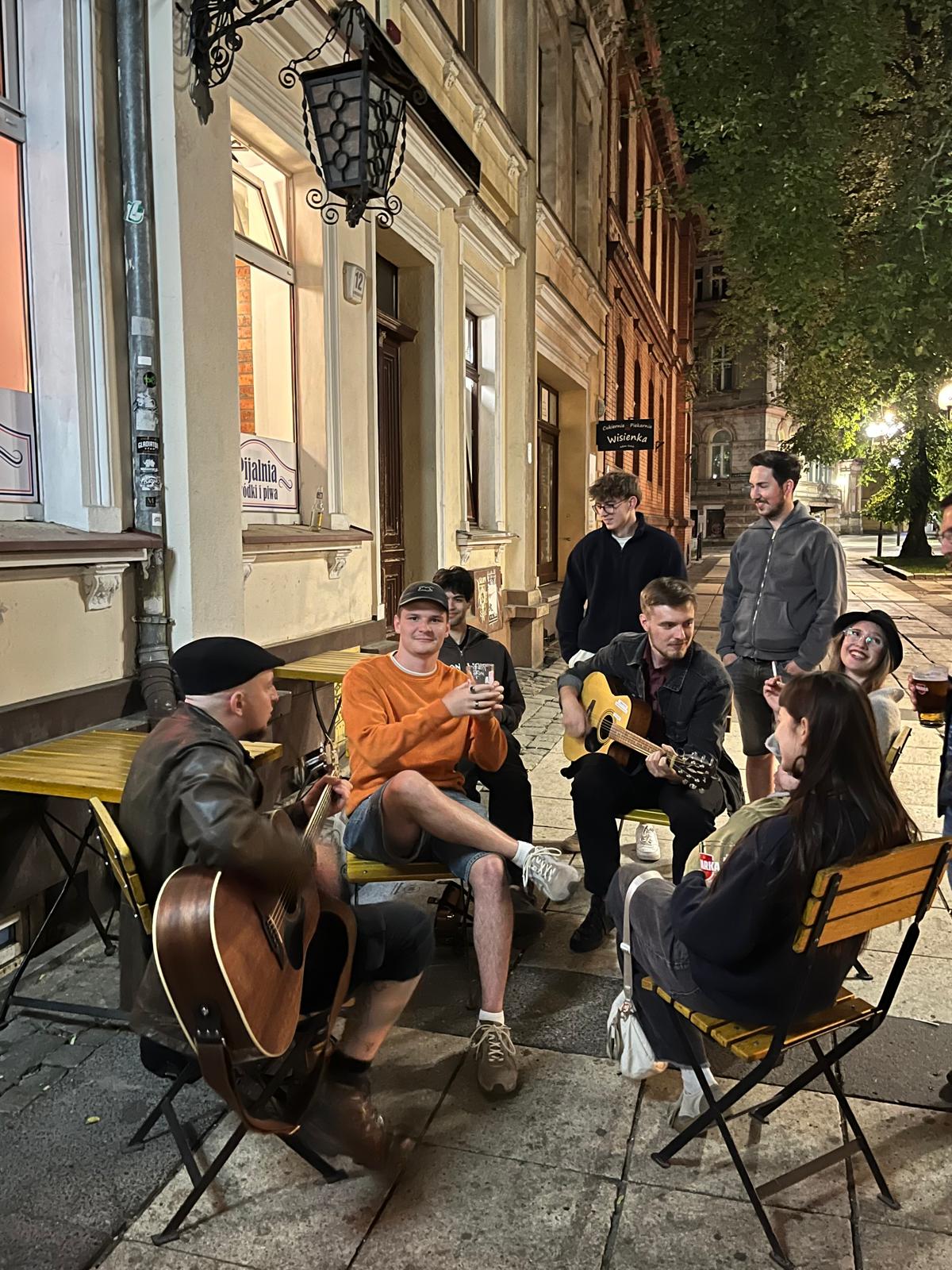
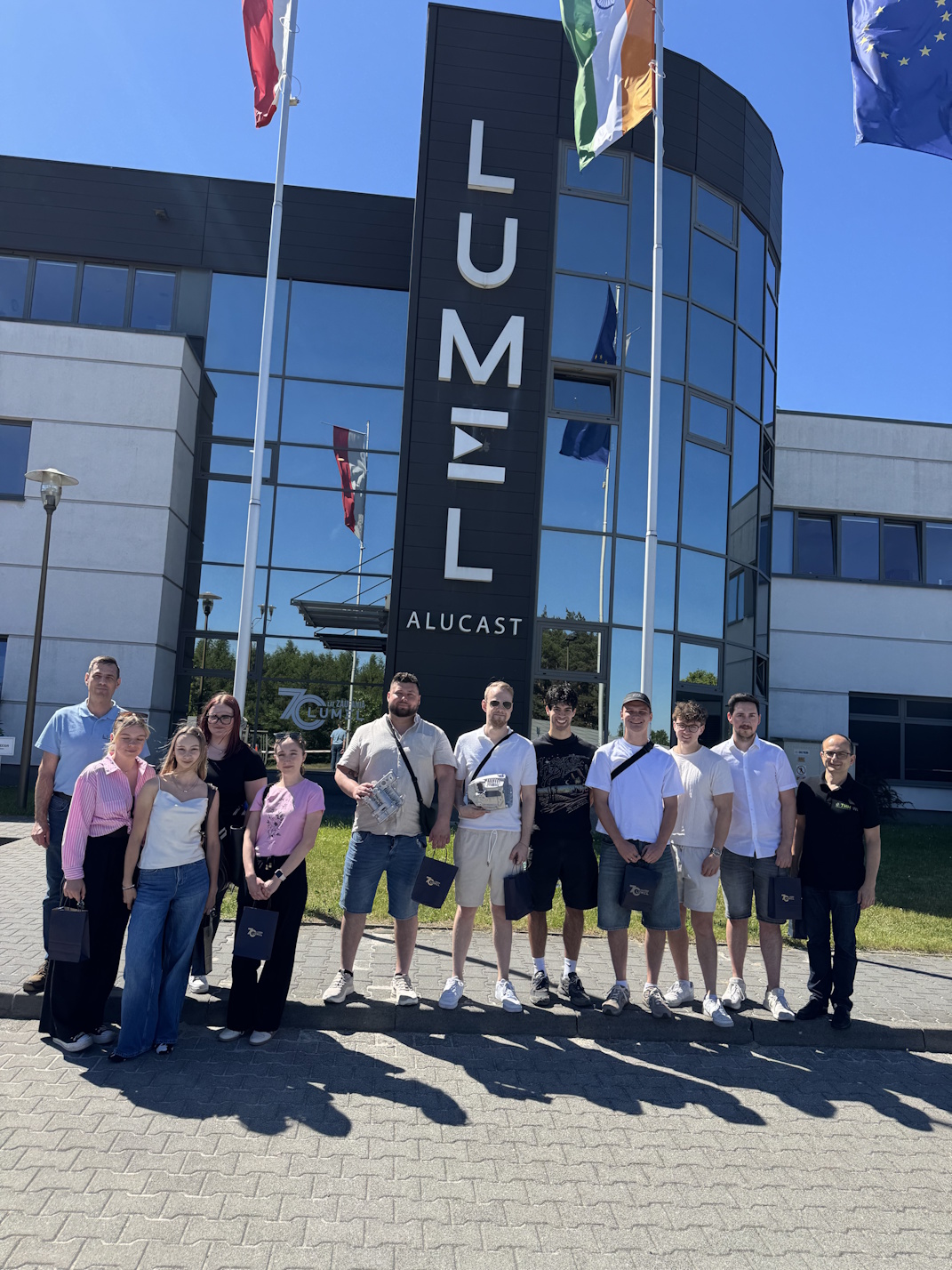
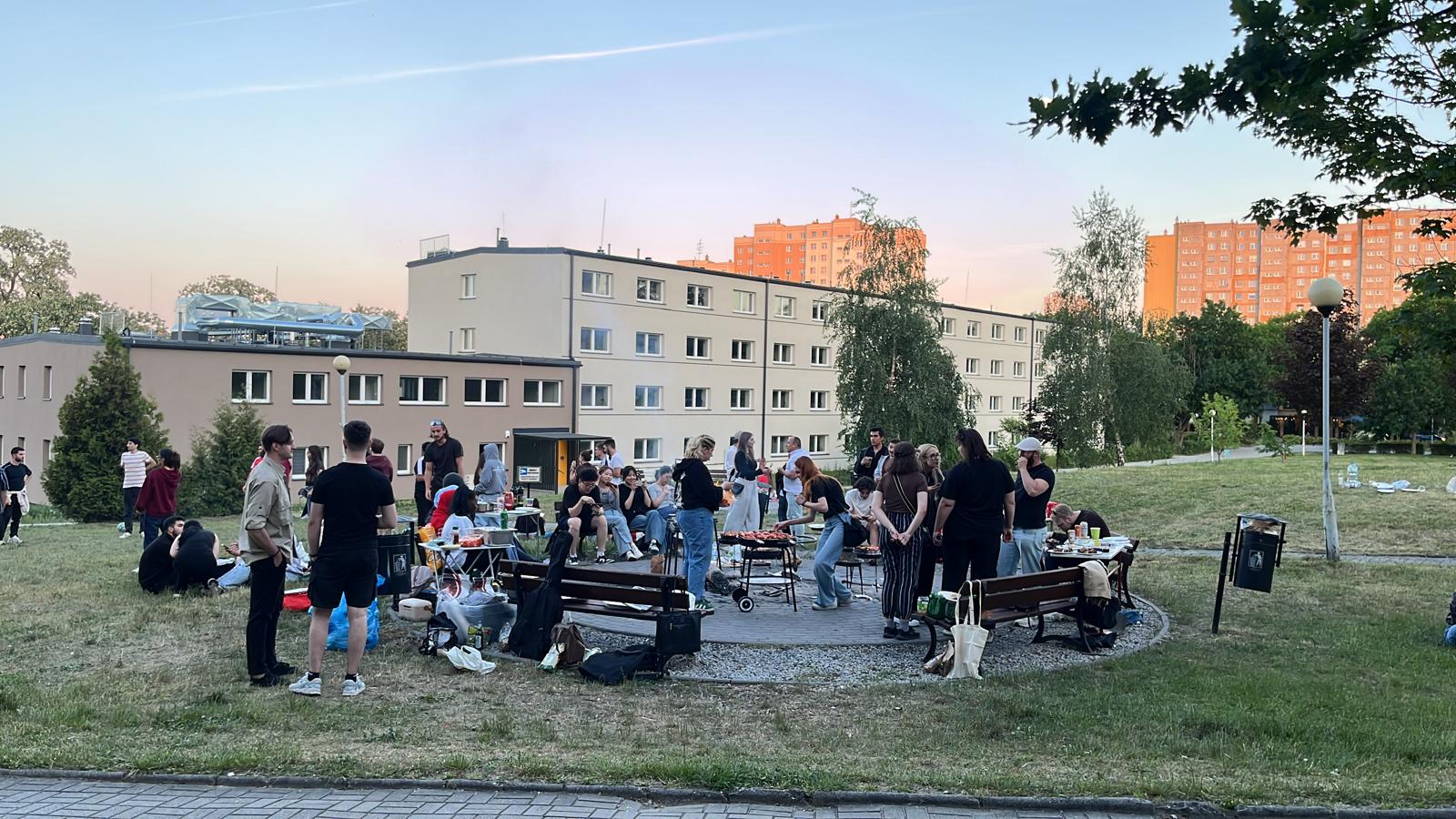
Our trip started early in the morning at Frankfurt Central Station. After a short change of trains in Berlin, we arrived in Zielona Gora around noon. We spent the rest of the day exploring the small city. The partly historic city centre, with its many small restaurants, is a great place to stroll around and enjoy the atmosphere. Throughout the week, we met many friendly and welcoming people, including students with whom we arranged a barbecue in the evenings. Besides the activities and events at the University of Zielona Gora, we also had the opportunity to experience a lot during our free time. The visit to the company Alucast and the day trip to Wrocław were particular highlights and rounded off an interesting and varied week in Poland. After spending our last evening together in a relaxed atmosphere, it was already time to return home. Many thanks to Prof. Dr. Ryszard Rybski, Dr Andrzej Czajkowski and Dr Piotr Powroznik for organising this visit and these interesting workshops. Thank you, Professor Slawomir Klos, for organising the field trip to Alucast.
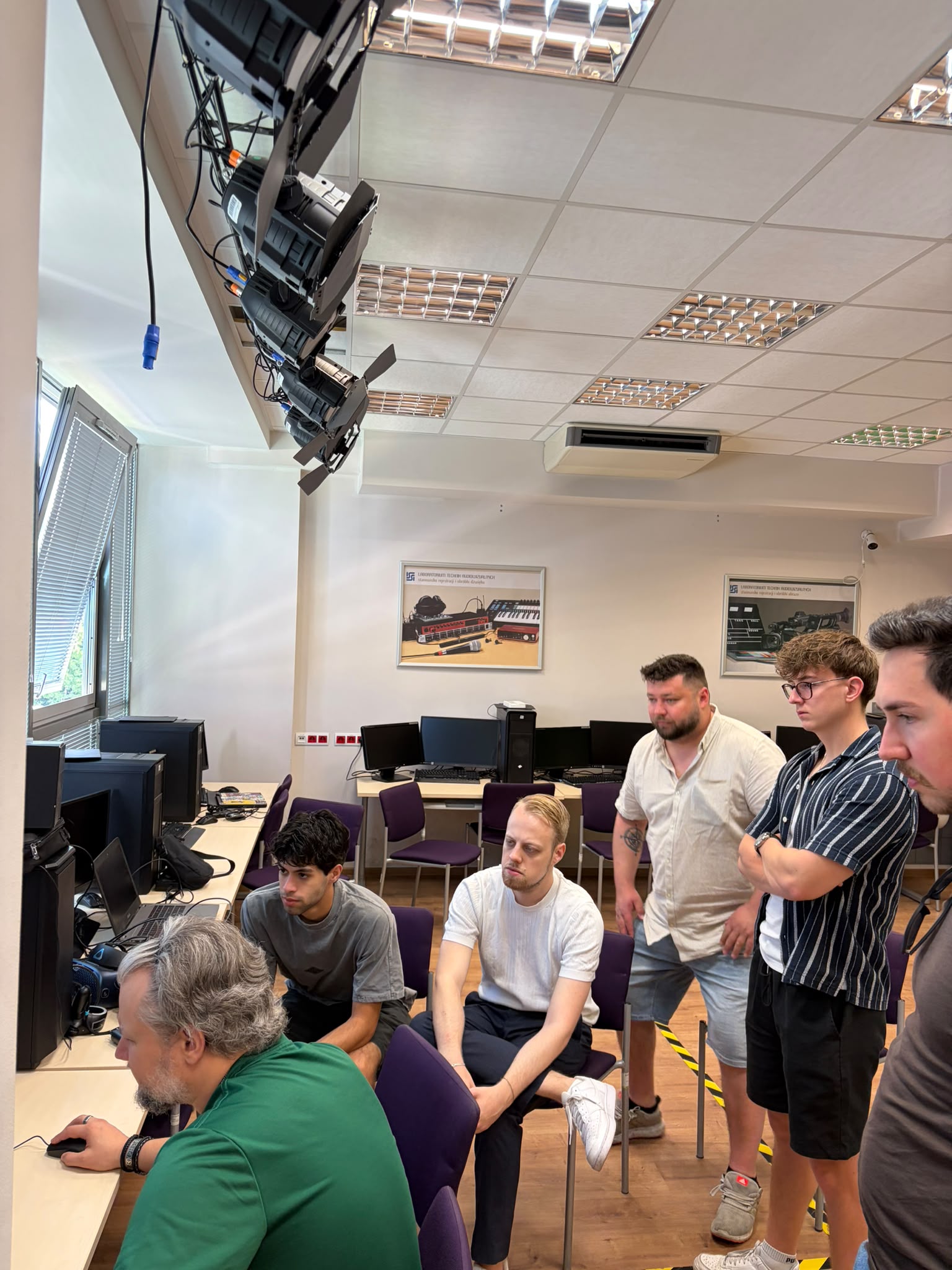
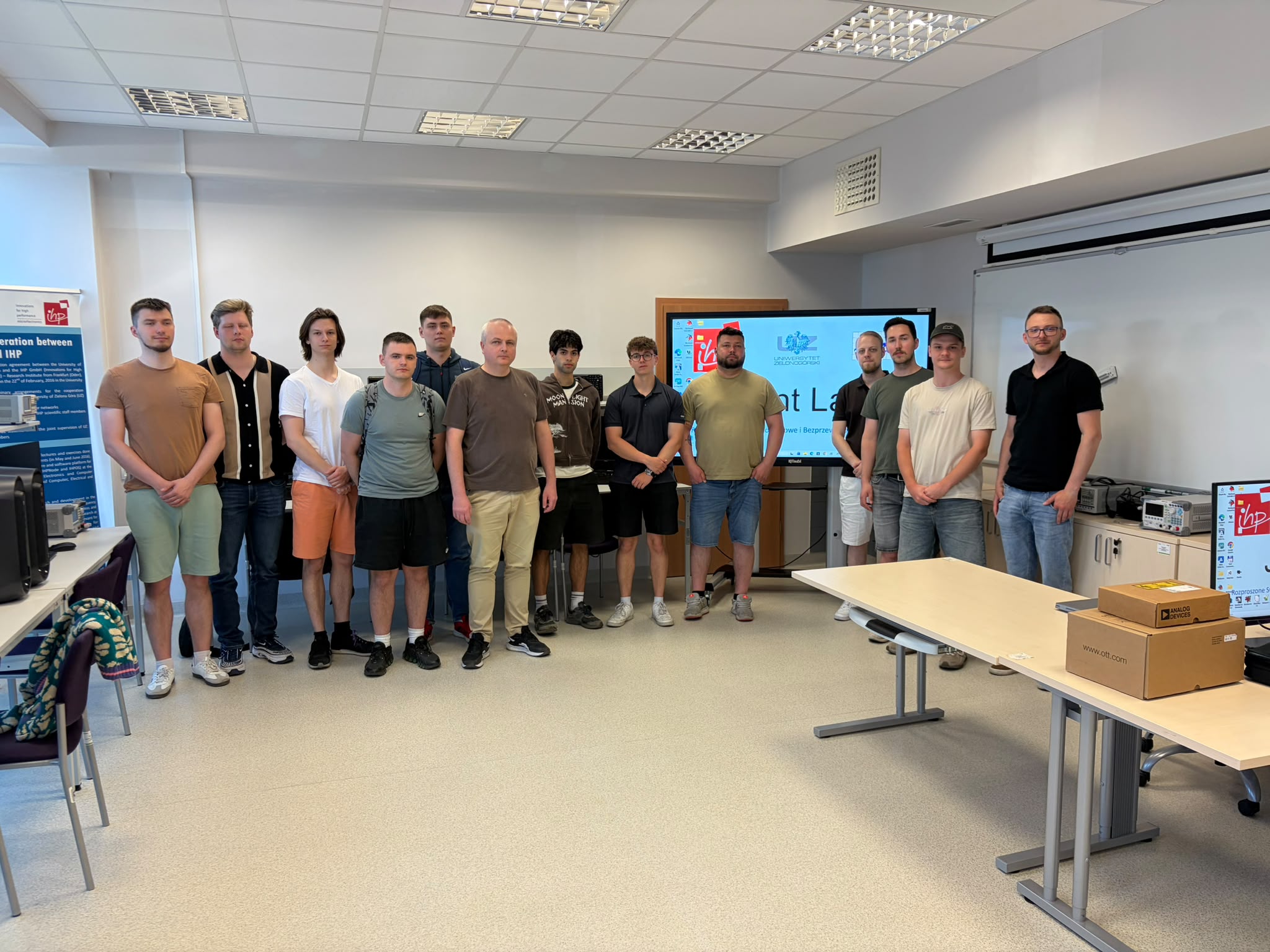
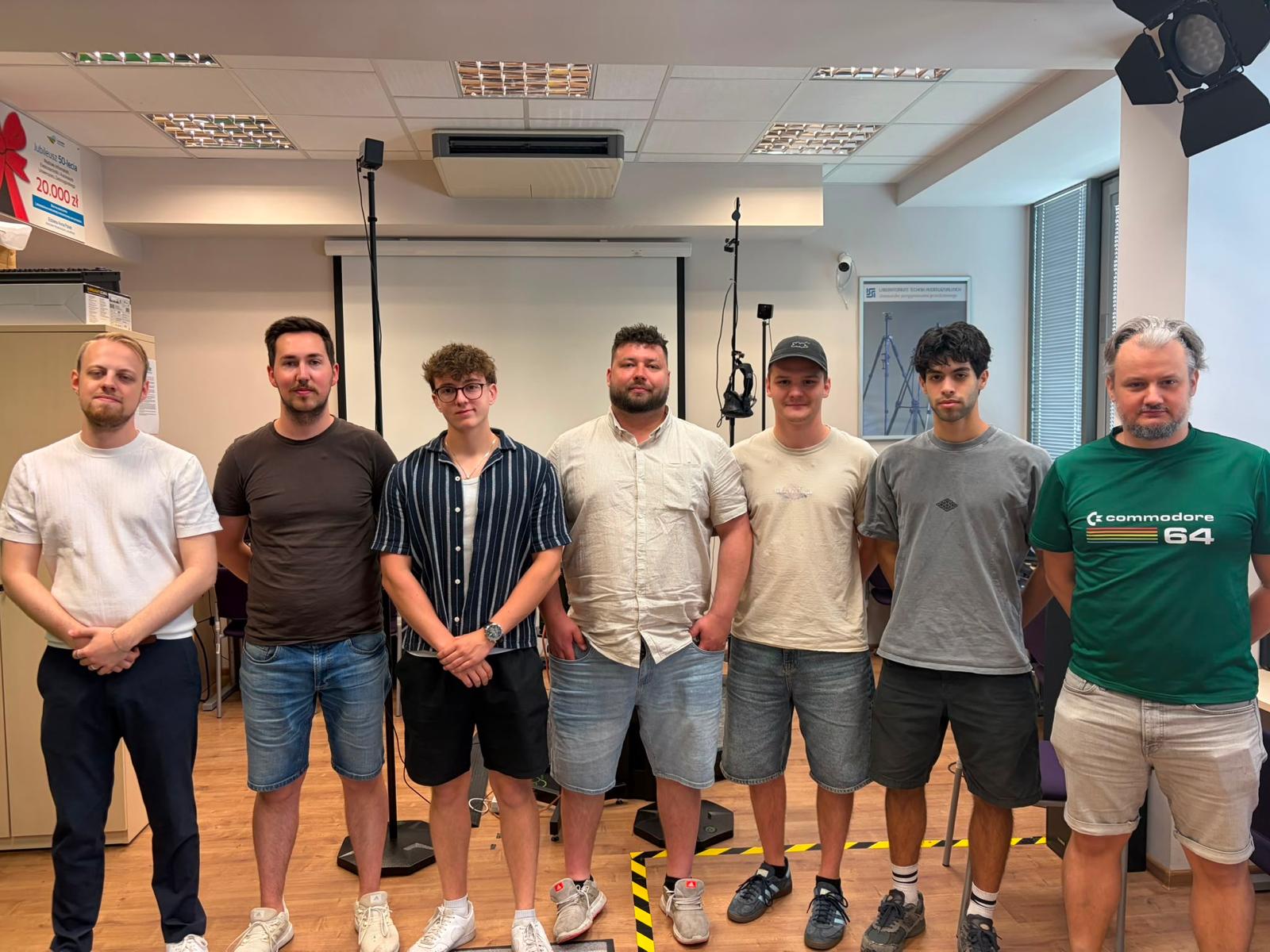
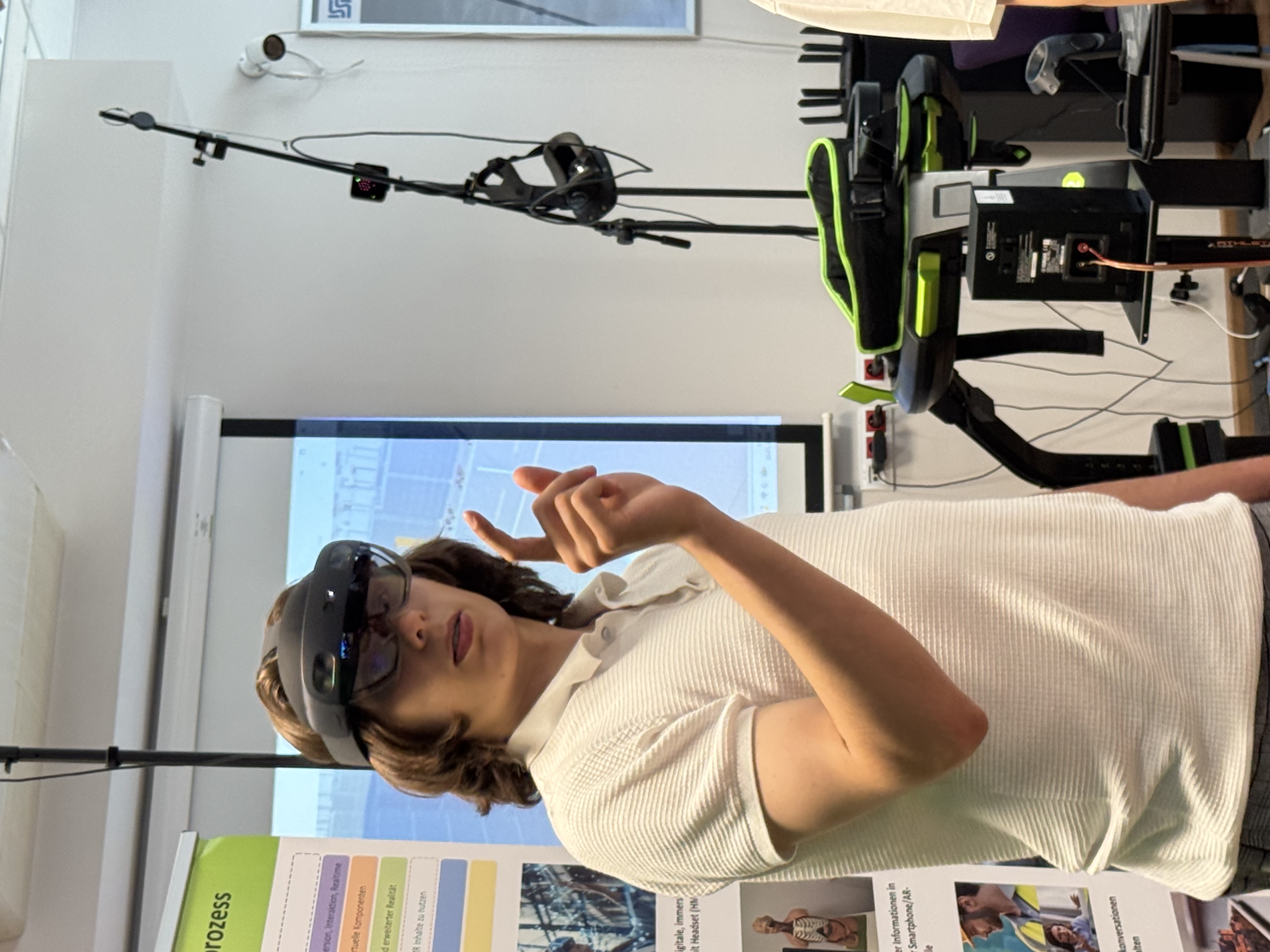
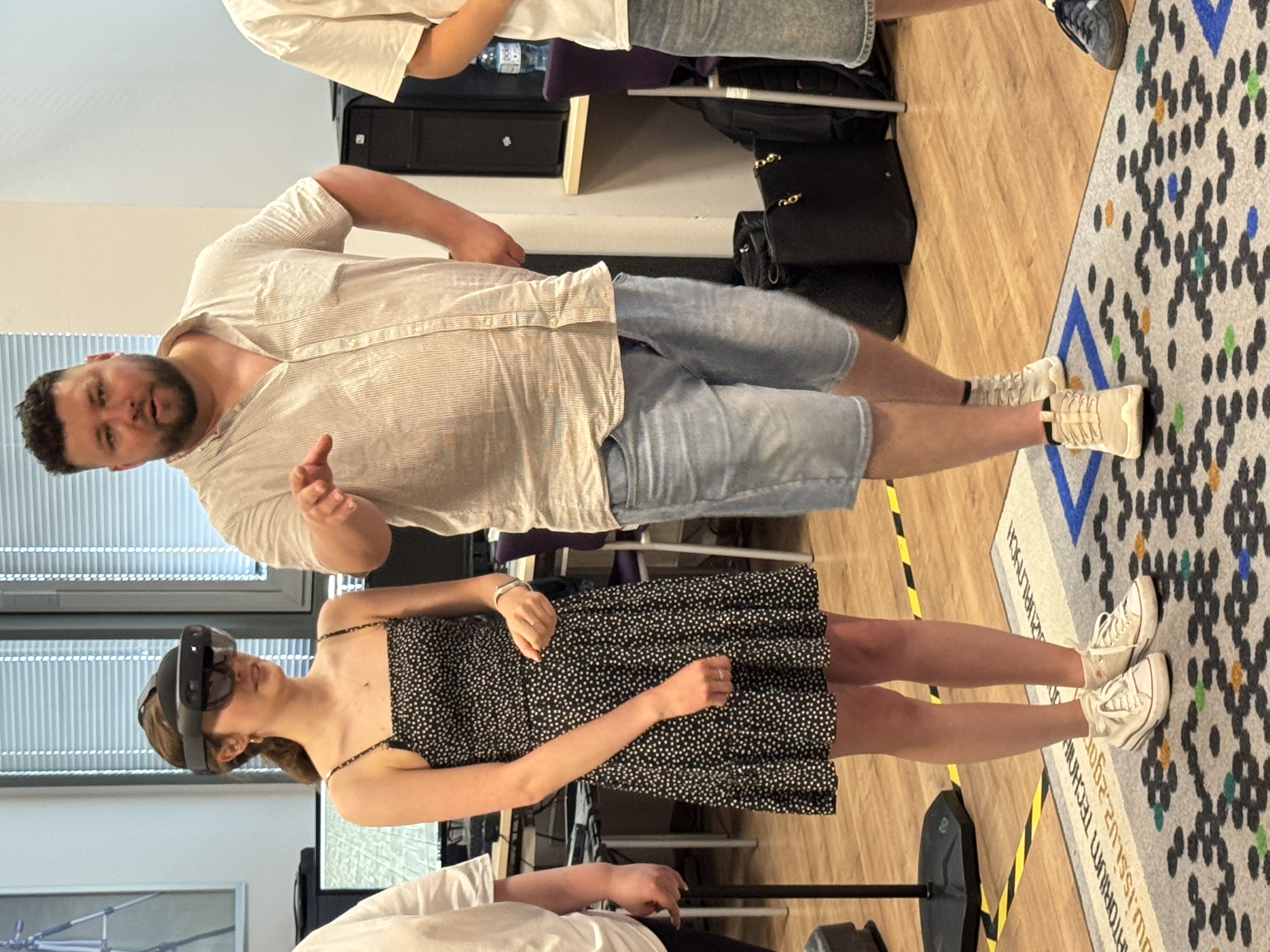
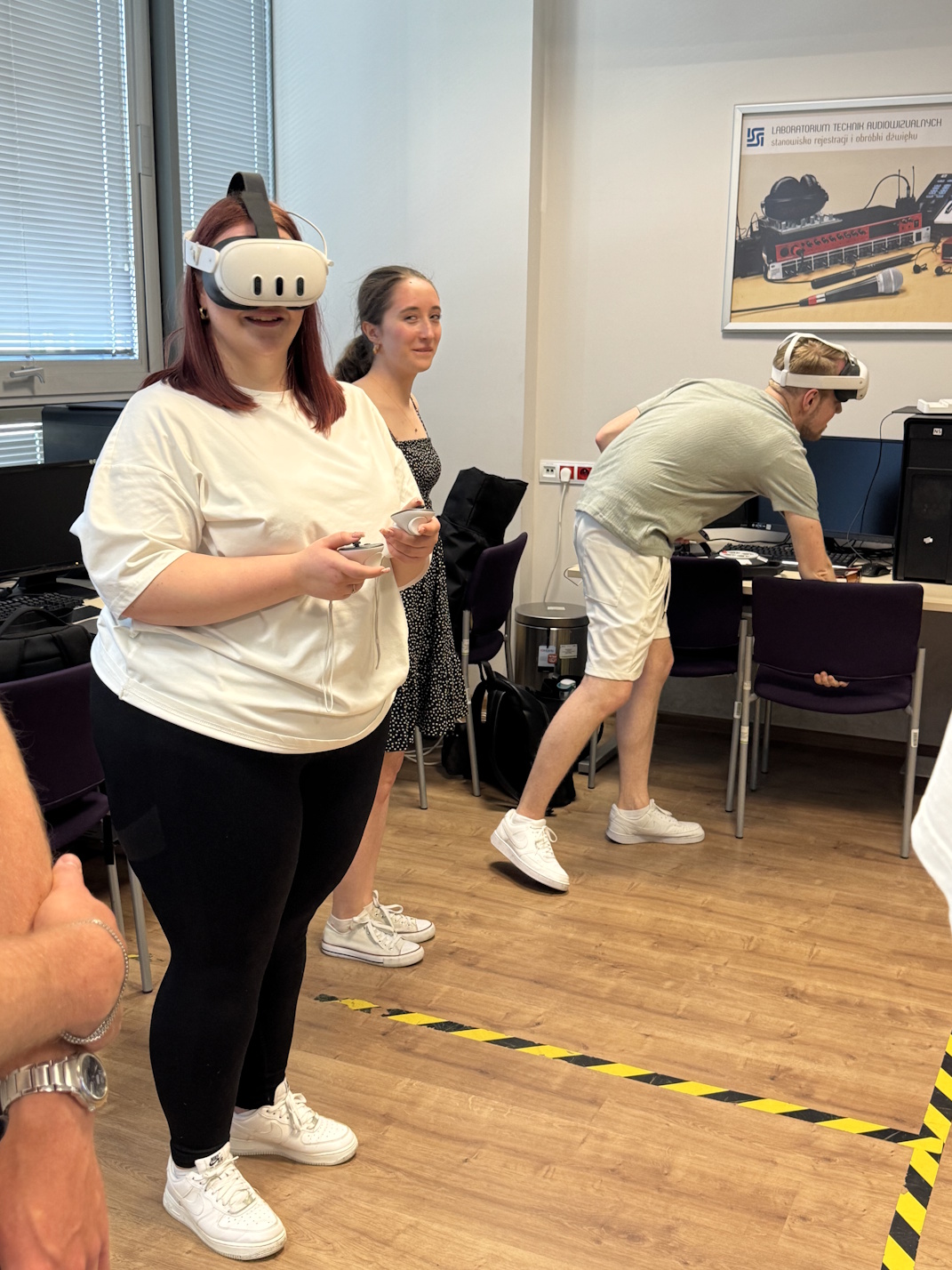
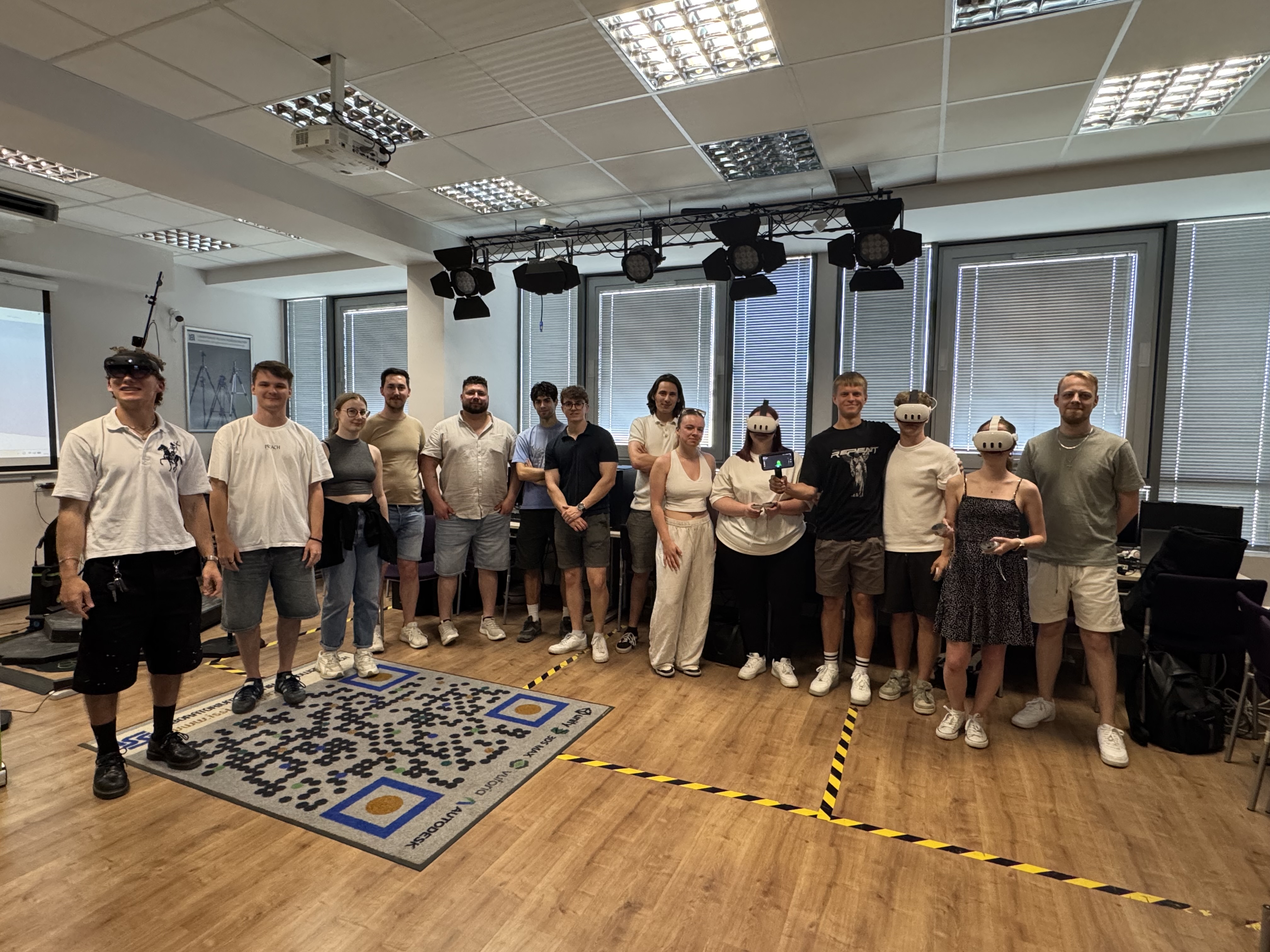
Alongside the THM students’ visit to the UZ, Prof. Dr Slawomir Klos (UZ) and Prof. Dr Rafeal Greszczynski (THM) organised a workshop on VR, AR and 3D scanning. We took the opportunity to bring THM students and UZ students together.
As part of several workshops, the students from the University of Zielona Gora had the opportunity to gain hands-on insights into the world of virtual and augmented reality. Working in pairs, they went through several stations where they could try out different VR and AR headsets themselves. We although learn how to use 3D Scan. The students from Technische Hochschule Mittelhessen accompanied the groups at the individual stations and introduced them to the different technologies.
In addition to gaining practical experience with VR and AR, the workshops also created a direct exchange between the students from Poland and Germany. By working together at the different stations, the students were able to share their experiences, learn from each other and gain a better understanding of the possibilities offered by VR and AR in teaching and learning. Thank you to Prof. Dr Slawomir Klos and Dr Andrzej Czajkowski for organising this fantastic event.
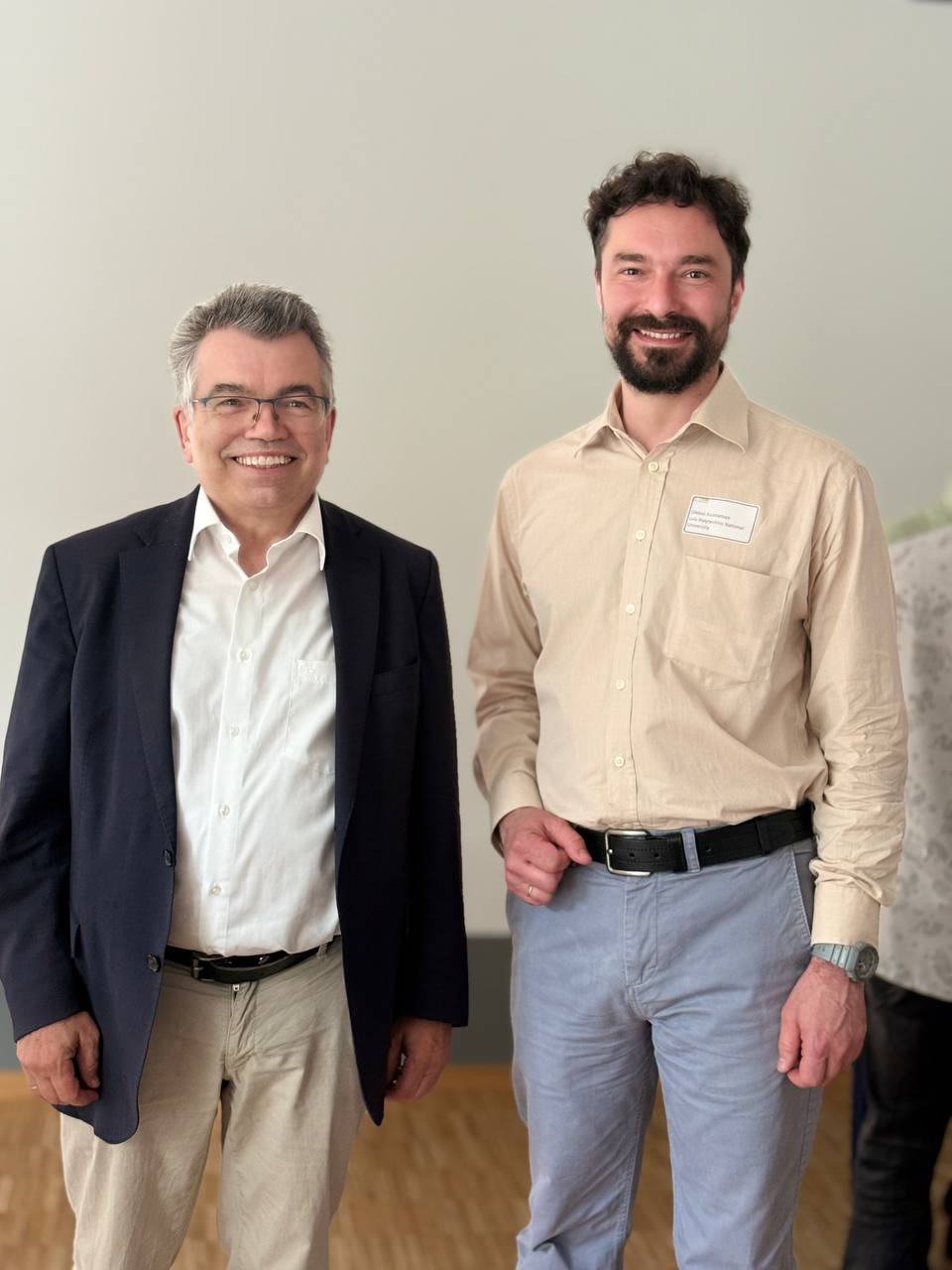
A representative of Lviv Polytechnic, IPEC Deputy Director, Dr. Oleksii Kuznietsov participated in the THM International Research & Teaching Week held on 8–12 June 2026 at the Institute's long-standing partner institution, University of Applied Sciences (Technische Hochschule Mittelhessen, THM), Gießen, Germany.
The event brought together academic staff and researchers from partner universities around the world with the aim of strengthening international cooperation, fostering academic networking, and discussing opportunities for future collaboration. Participants from India, Bangladesh, the United Kingdom, France, Morocco, Thailand, Türkiye, Ukraine, and other countries exchanged experiences and explored prospects for joint research and educational projects in the fields of artificial intelligence, environmental engineering, sustainable development systems, economics, and management.
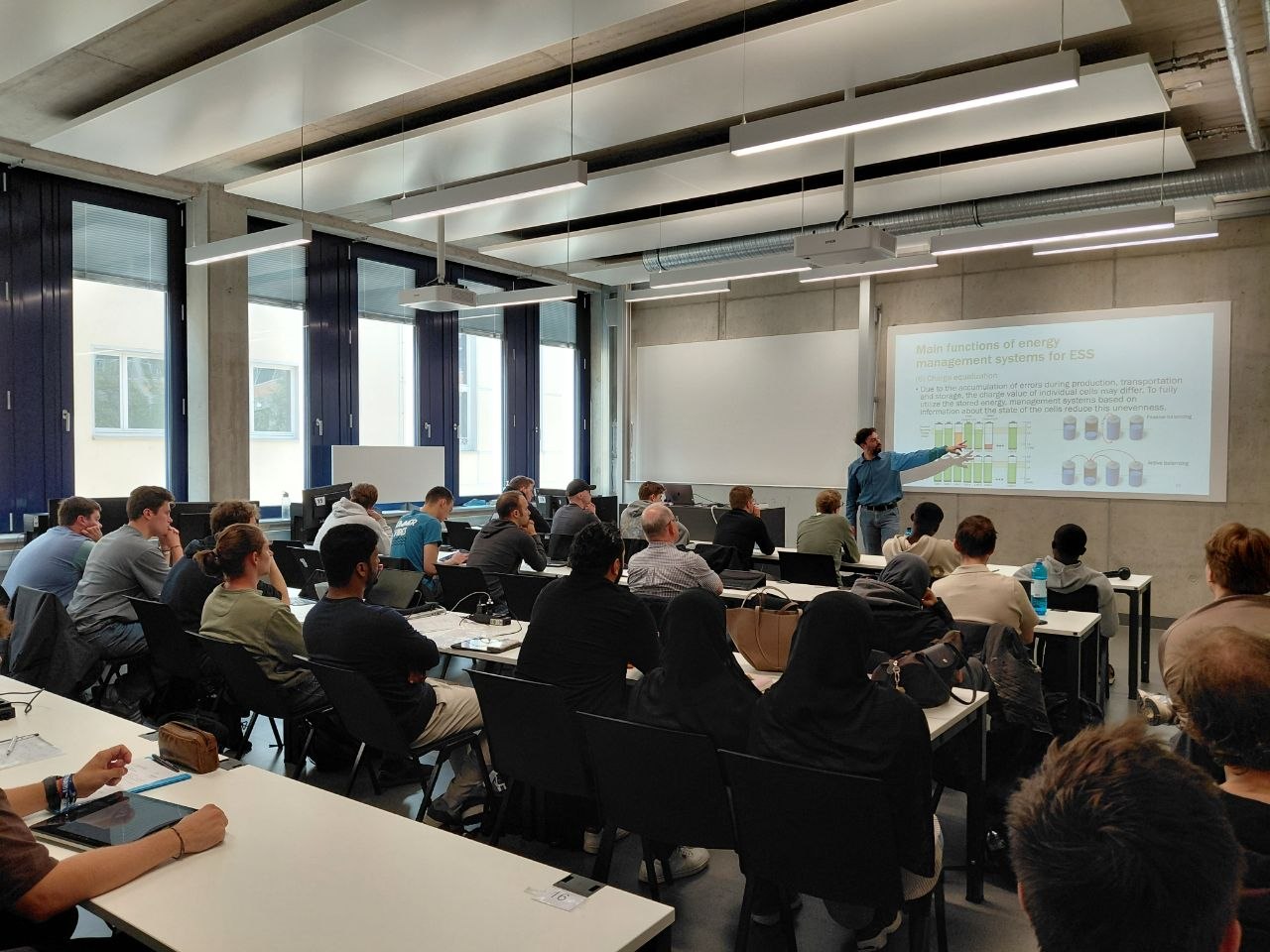
As part of the educational programme, Dr. Oleksii Kuznietsov delivered a lecture for students of mechanical and energy engineering on energy storage systems in power engineering and electric transportation. The lecture addressed current development trends and key challenges in the field of sustainable energy technologies.
Participation in such international initiatives contributes to the development of academic partnerships, strengthens international cooperation, and creates new opportunities for joint research, educational, and project activities.
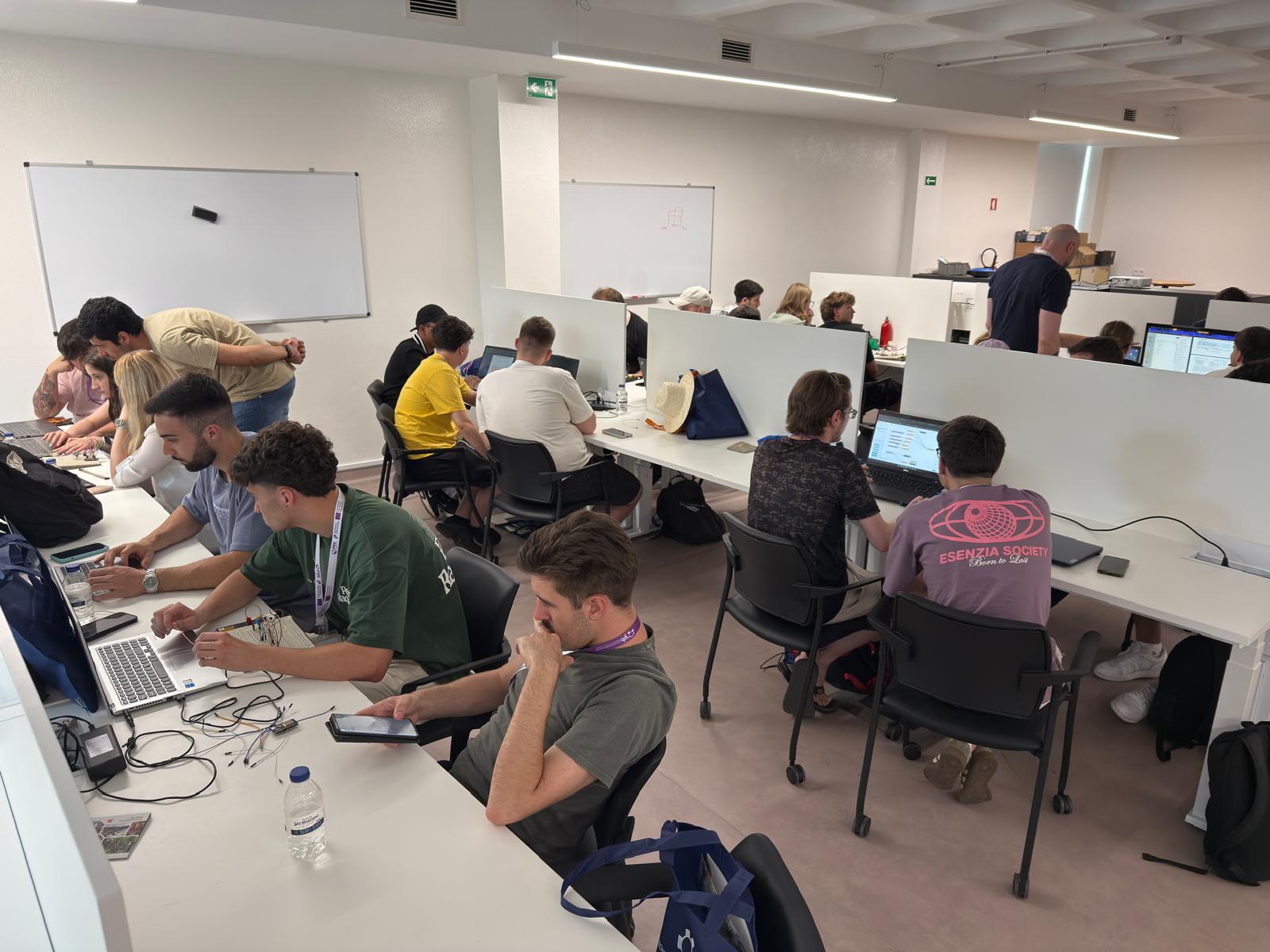
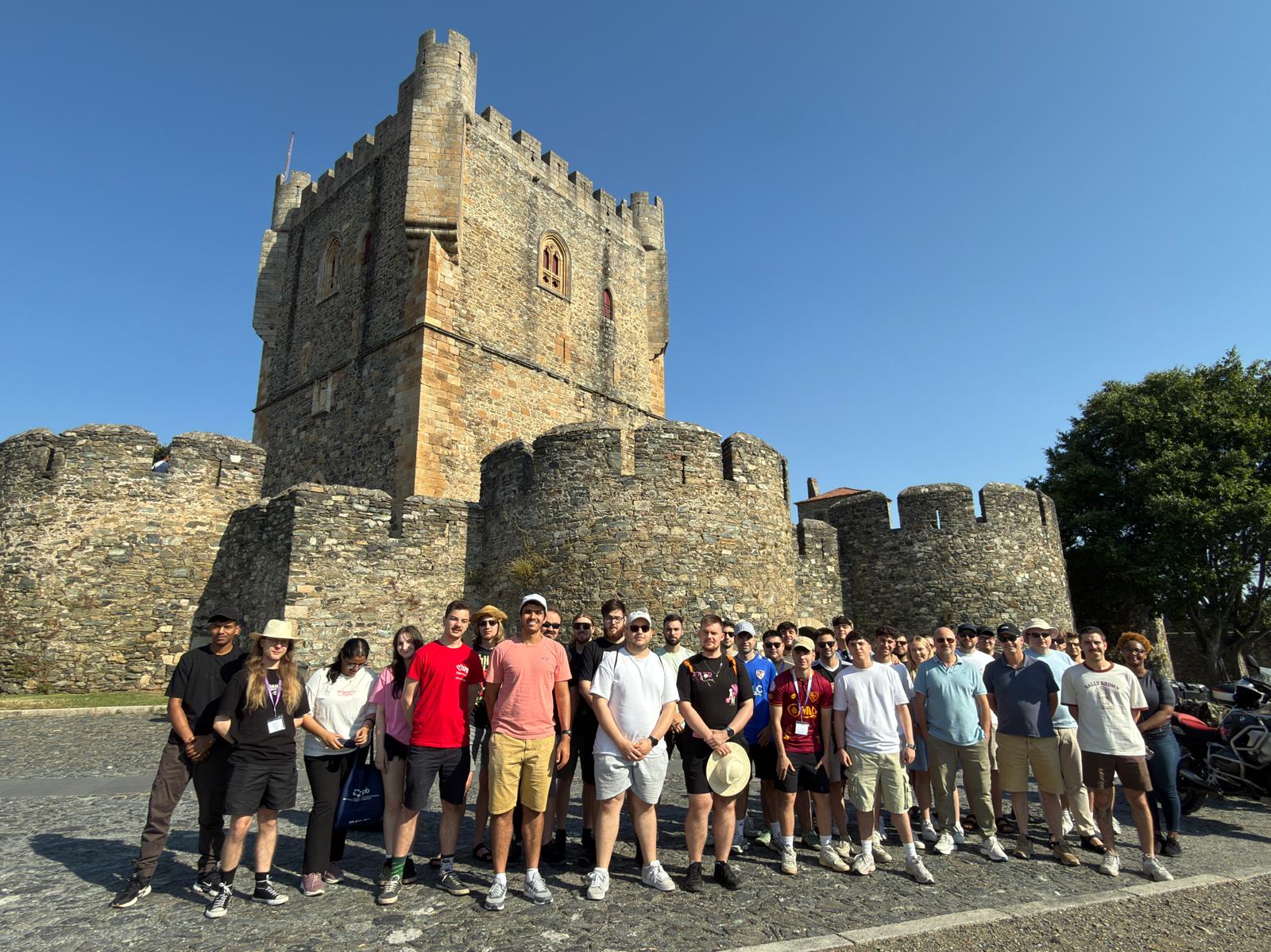
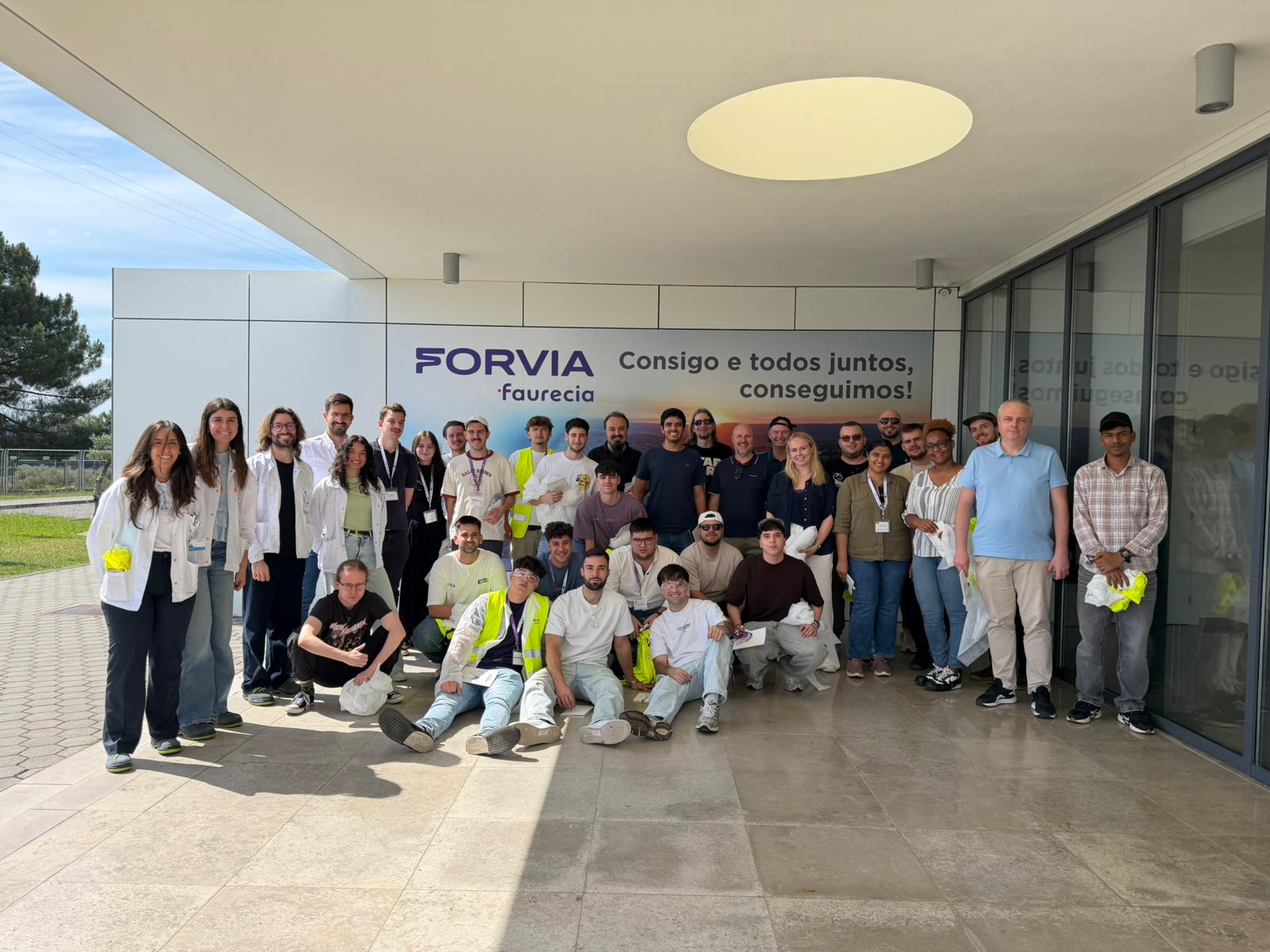
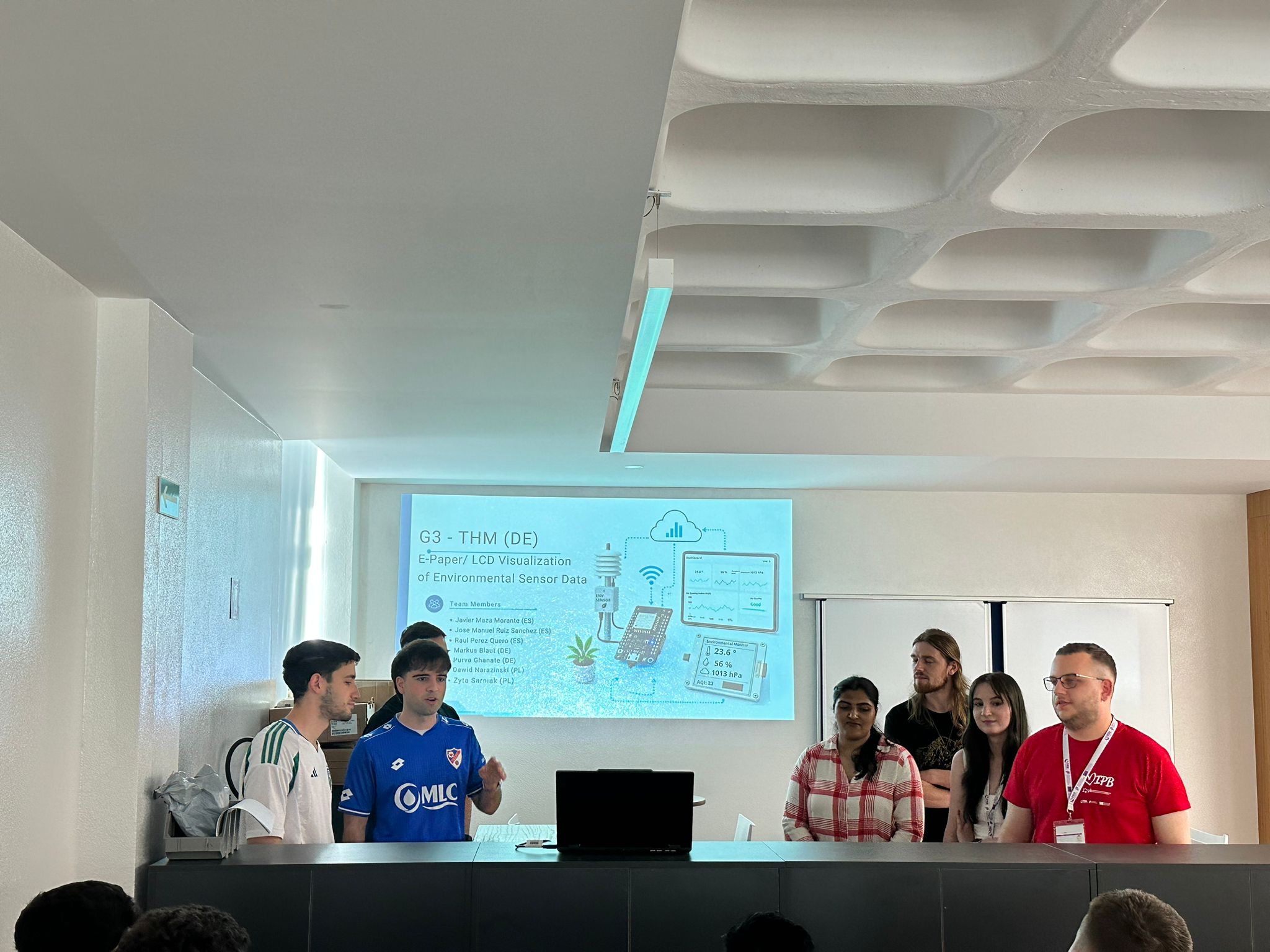
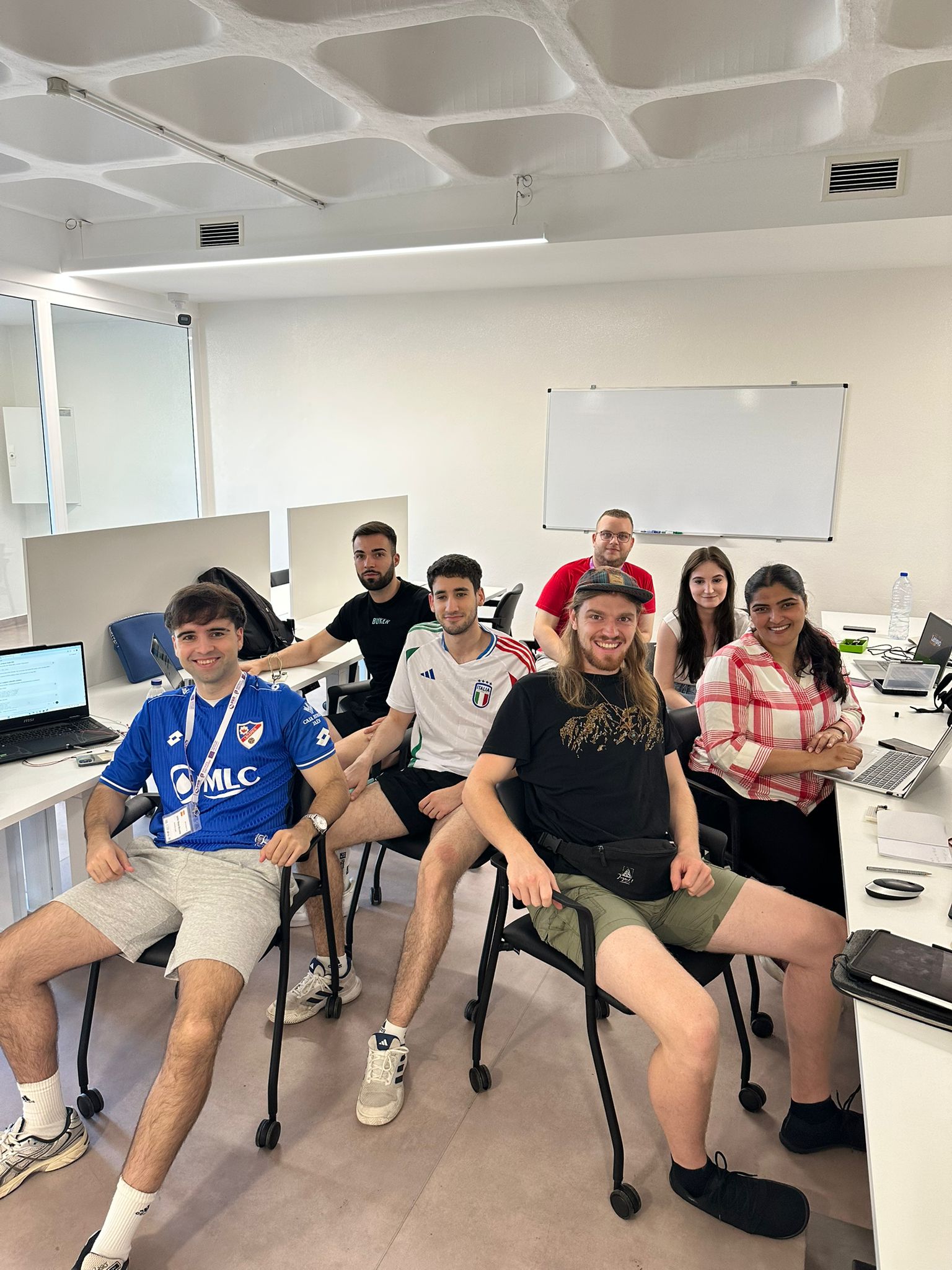
An international Erasmus+ initiative titled "Blended Intensive Programme (BIP) in IoT" brought together students and academic staff from four European institutions: Universidad de Jaén (Spain), Technische Hochschule Mittelhessen (Germany), Instituto Politécnico de Bragança (Portugal), and the University of Zielona Góra (Poland). The hybrid program was divided into two main stages:
The academic curriculum was supplemented by contextual field activities:
The project was coordinated by an international team of academics from all partner universities. Following the success of this edition, the next installment of the program is planned to take place at the University of Zielona Góra in 2027.